
How to Choose an Active Retirement Community in Maryland

Quick Summary
Choosing the right active retirement community in Maryland starts with understanding…
- your lifestyle goals
- budget
- healthcare needs
- preferred location
Active adult communities are designed for independent adults, typically age 62 and older, who want a maintenance-free lifestyle with access to social activities, fitness opportunities, and recreational amenities.
When comparing communities, pay close attention to housing options, community culture, healthcare access, and proximity to family and local attractions. Maryland offers a variety of active adult communities, from waterfront neighborhoods on the Eastern Shore to suburban communities near Baltimore, Annapolis, and Washington, D.C.
___________
For many older adults, retirement was never about slowing down, but about having the freedom to spend more time doing what they most enjoy. Whether that means playing pickleball, joining social clubs, traveling with friends, taking fitness classes, or simply enjoying a maintenance-free lifestyle, modern active retirement communities have become an increasingly popular option.
Maryland offers a wide range of active adult communities, from waterfront neighborhoods along the Chesapeake Bay to suburban communities near Baltimore and Washington, D.C. Understanding what these communities offer and how to evaluate them can help you find the right fit for your retirement lifestyle.
What is an Active Adult Community?
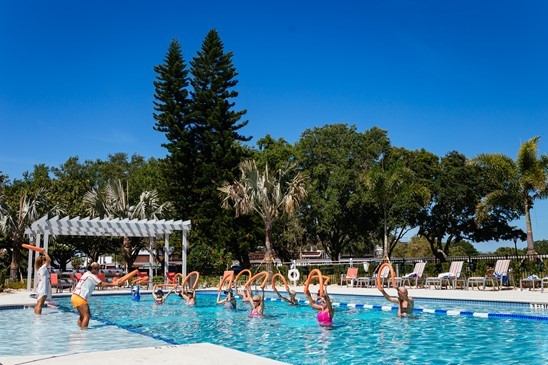
An active adult community is a community designed specifically for older adults, typically aged 62 and older. These communities focus on independent living and an active lifestyle rather than healthcare services.
Unlike assisted living communities or nursing homes, active adult communities are intended for healthy, independent adults who want access to social opportunities, recreational amenities, and a low-maintenance lifestyle. Some communities known as continuing care retirement communities offer both independent living and assisted living services on the same campus.
Most active adult communities feature:
- Single-family homes, townhomes, or condominiums
- Clubhouses and community centers
- Fitness facilities and swimming pools
- Walking and biking trails
- Organized social events
- Hobby and interest groups
- Landscaping and exterior maintenance services
- Age-restricted residency requirements
The goal is to create an environment where residents can enjoy retirement while remaining socially engaged and physically active.
Who is an Active Adult Community Best For?

Active adult communities are often ideal for retirees who:
Want a Maintenance-Free Lifestyle
Many retirees are ready to spend less time mowing lawns, shoveling snow, and handling home repairs. Active adult communities often include exterior maintenance services, allowing residents to focus on hobbies, travel, and family instead of chores.
Enjoy Social Activities
These communities are designed to encourage interaction among neighbors through clubs, classes, events, and shared amenities. Residents who value social connections often find active adult communities particularly appealing.
Want Access to Recreation
- Many communities offer amenities such as:
- Swimming pools
- Pickleball, tennis, and bocce ball courts
- Fitness centers
- Putting greens and proximity to golf courses
- Arts and crafts studios
- Community gardens
- Walking trails
- Active social calendars
Plan to Age in Place
Some retirees choose active adult communities because they provide a more manageable living environment that can support independent living for many years.
What to Look for in an Active Adult Community

Not all active adult communities are the same. Before making a decision, consider the following factors.
Lifestyle and Community Culture
Every community has its own personality. Some are highly social and activity-driven, while others offer a quieter environment.
When visiting a community, ask:
- How many clubs and activities are offered?
- How often are community events held?
- What is the average age of residents?
- Are residents actively involved in community life?
Try attending an event or speaking with current residents to get a realistic sense of daily life.
Housing Options
Consider whether the available homes match your needs both now and in the future.
Questions to ask include:
- Are homes single-level or multi-story?
- Is there enough space for visiting family?
- Are floor plans designed for aging in place?
- Are maintenance services included?
Choosing a home that can accommodate future mobility needs may help avoid costly moves later.
Amenities
Amenities often play a major role in resident satisfaction.
Look for features such as:
- Fitness centers
- Indoor and outdoor pools
- Hobbies and continuing education opportunities
- Pickleball and tennis courts
- Golf courses nearby
- Walking and nature trails
- Community centers
- Libraries and meeting spaces
- Arts and crafts rooms
Focus on amenities you will actually use rather than simply choosing the community with the longest list.
Cost and Fees
Understanding the full financial picture is essential.
Review:
- Home purchase prices
- Homeowners association (HOA) fees
- Community fees
- Property taxes
- Maintenance costs
- Entrance fees
- Future fee increase policies
A community may appear affordable initially but become more expensive when ongoing fees are considered.
Location
The location of a retirement community can significantly impact your quality of life.
Consider:
- Distance from family and friends
- Access to healthcare providers
- Shopping and dining options
- Cultural attractions
- Airports and transportation
- Climate and weather preferences
Retirement is often more enjoyable when everyday conveniences remain easily accessible.
What to Look for Specifically in Maryland

Maryland offers unique advantages for retirees, but there are several factors worth evaluating when comparing communities across the state.
Access to Quality Healthcare
Maryland is home to nationally recognized healthcare systems and medical centers, including facilities in Baltimore, Bethesda, and surrounding suburban areas.
When evaluating communities, consider:
- Proximity to hospitals
- Access to specialists
- Emergency care availability
- Transportation options for medical appointments
- Services available on campus
Healthcare access becomes increasingly important as retirees age.
Proximity to Major Cities
Many retirees choose Maryland because it offers easy access to Baltimore, Washington, D.C., and Annapolis.
Communities near these areas often provide:
- Cultural attractions
- Museums and theaters
- Professional sports
- Fine dining
- Continuing education opportunities
At the same time, nearby suburban and rural communities may offer a quieter lifestyle while remaining within easy driving distance of urban amenities.
Waterfront and Outdoor Recreation Opportunities
One of Maryland's biggest attractions is its abundance of outdoor recreation.
Many retirees are drawn to areas near:
- Chesapeake Bay
- Eastern Shore communities
- Waterfront marinas
- State parks
- Hiking and biking trails
If boating, fishing, kayaking, or nature activities are important to you, location should be a top consideration.
Seasonal Weather
Maryland experiences all four seasons, which appeals to many retirees.
When evaluating a community, consider:
- Snow removal services
- Leaf pickup
- Community maintenance during winter months
- Indoor recreational facilities for colder weather
Communities with year-round amenities can help residents stay active regardless of the season.
Questions to Ask Before Choosing a Maryland Active Adult Community
Before making a final decision, ask:
- What amenities are included in the monthly fees?
- How active is the resident community?
- How have fees increased over the past five years?
- What maintenance services are included?
- What healthcare resources are available or nearby?
- Are there restrictions on guests or pets?
- What opportunities exist for volunteering, learning, and social engagement?
- How easy is it to sell a home within the community if circumstances change?
The right retirement community can help you stay active, connected, and engaged for years to come. Explore Acts Retirement-Life Communities in Maryland and see how our vibrant communities are designed to help you make the most of retirement.


