
National Wellness Month is a reminder that living well encompasses far more than physical health. For today’s retirees, wellness means staying active, connected, curious, and engaged — at every age.
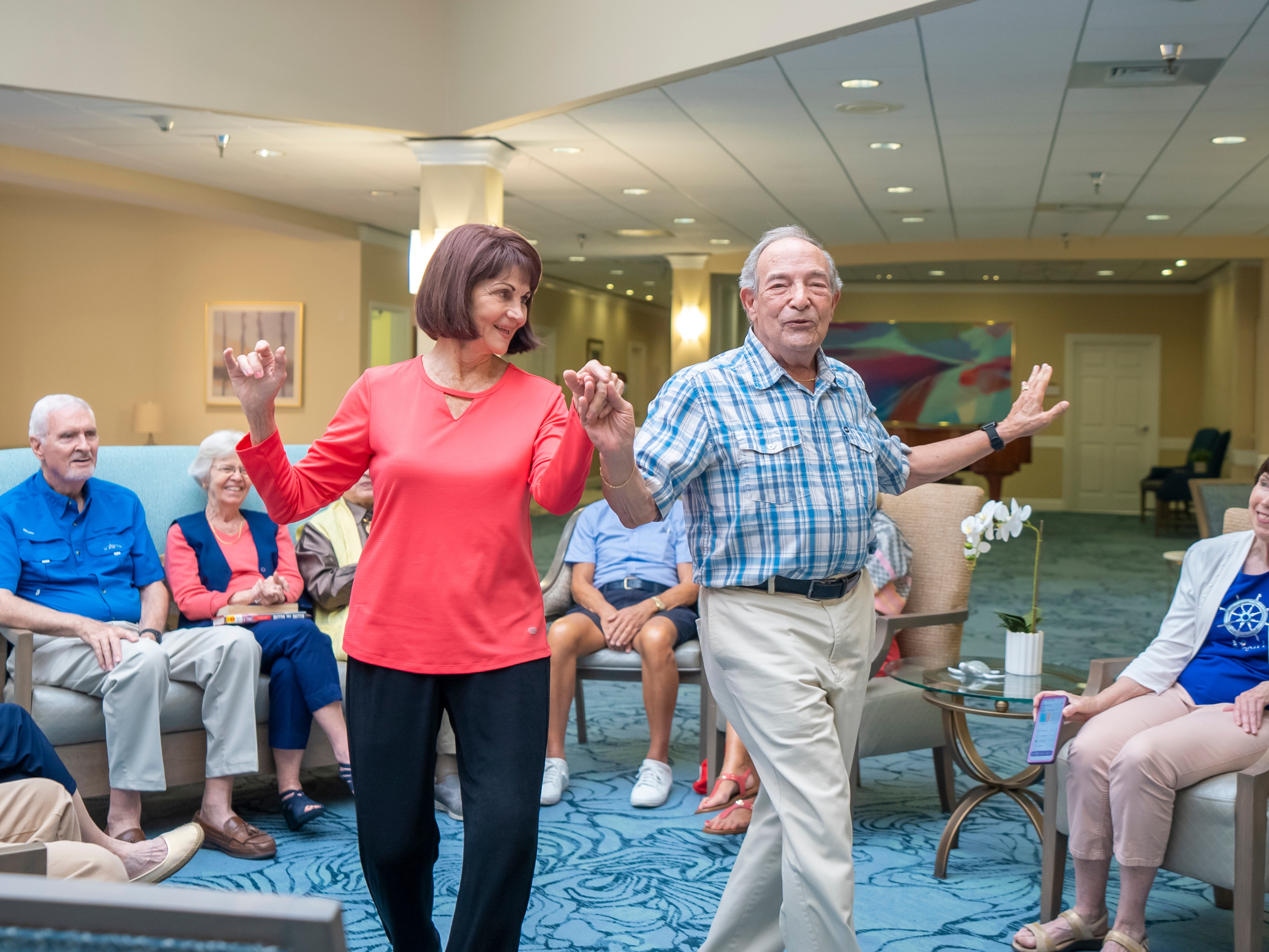
Wellness in retirement isn't about chasing a number on a scale or logging a certain number of steps each day. It's about having the energy to do the things you enjoy, the relationships that keep you connected, the opportunities that keep you curious, and the freedom to continue pursuing what matters most to you.
Research supports this broader view of wellness. The long-running Harvard Study of Adult Development found that meaningful relationships are strongly associated with health, happiness, and well-being as we age, and it's a reminder that living well is about more than what we do for our bodies.
During National Wellness Month, it's worth taking a broader look at what it means to live well, and why wellness may become even more important as we enter the next chapter of life.
For today's retirees, wellness is multidimensional. It can mean an early-morning fitness class, an afternoon spent learning something new, dinner with friends, volunteering for a favorite cause, traveling somewhere you've never been or simply having the flexibility to spend your day exactly as you choose.
In other words, wellness isn't just about adding years to life. It's about making the years you have as fulfilling as possible.
Wellness Looks Different at Every Age
There is no single definition of wellness, and it typically doesn't look the same at 75 as it does at 85 or 95.
For one person, wellness might mean training for a pickleball tournament or taking a challenging fitness class. For another, it could mean maintaining the strength and independence needed to travel. Someone else might place the greatest value on staying socially connected, learning something new, or having time to finally pursue a lifelong passion.
One of the most important shifts in how we think about wellness is that it is personal.
Rather than focusing exclusively on preventing illness or maintaining physical fitness, wellness is about supporting the whole person and creating opportunities to thrive.
Move Your Body
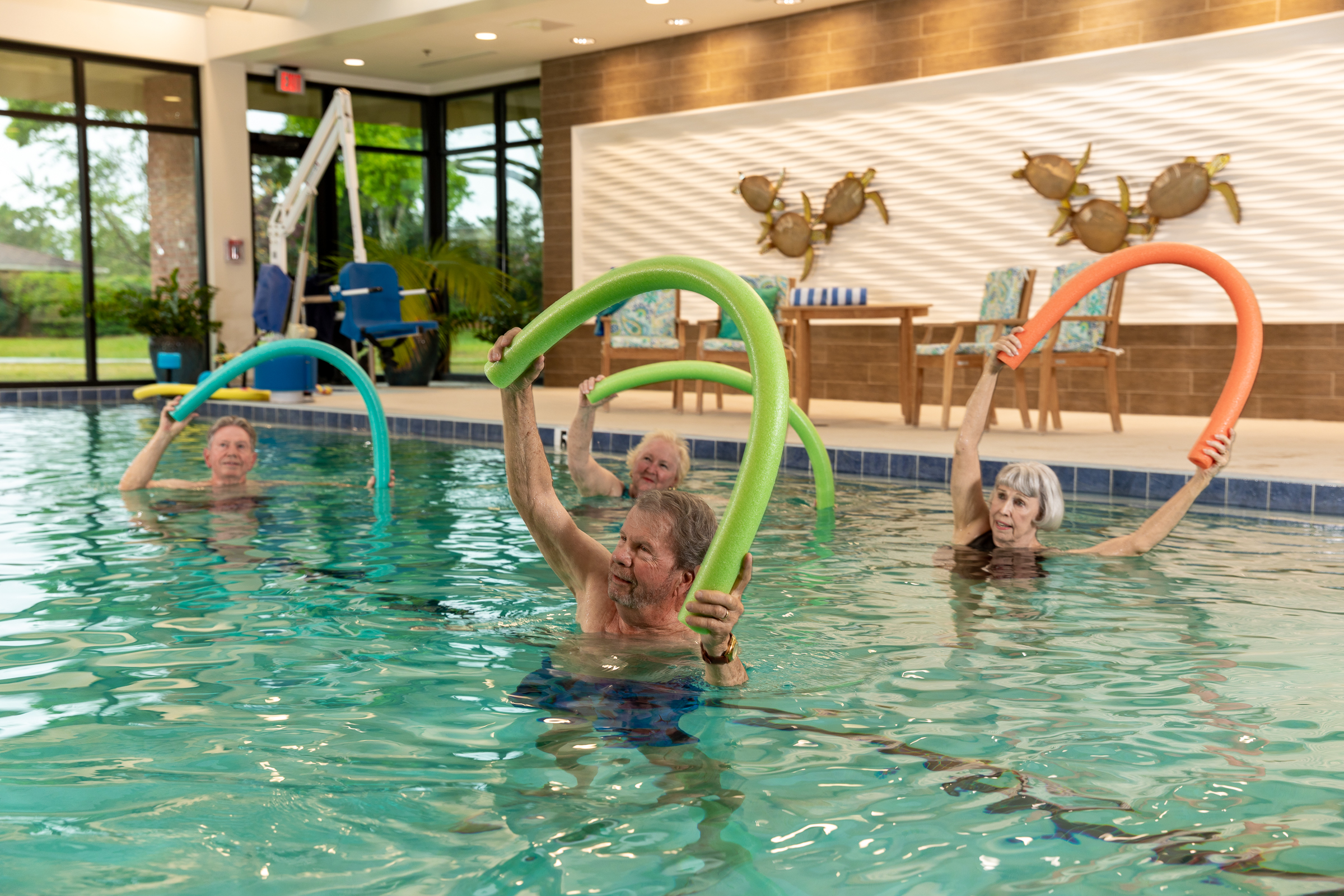
Physical wellness remains an important part of healthy aging. Regular movement can help older adults maintain strength, balance, flexibility, and endurance while supporting their ability to continue doing the activities they love.
But exercise doesn't have to feel like a chore. At an Acts community, it could mean a morning walk with a friend, a fitness class, a swim, a game of pickleball, gardening, or trying a new activity can all be opportunities to move while enjoying life.
The goal isn't necessarily to exercise more. It's to find movement that makes you want to keep moving.
Stay Connected
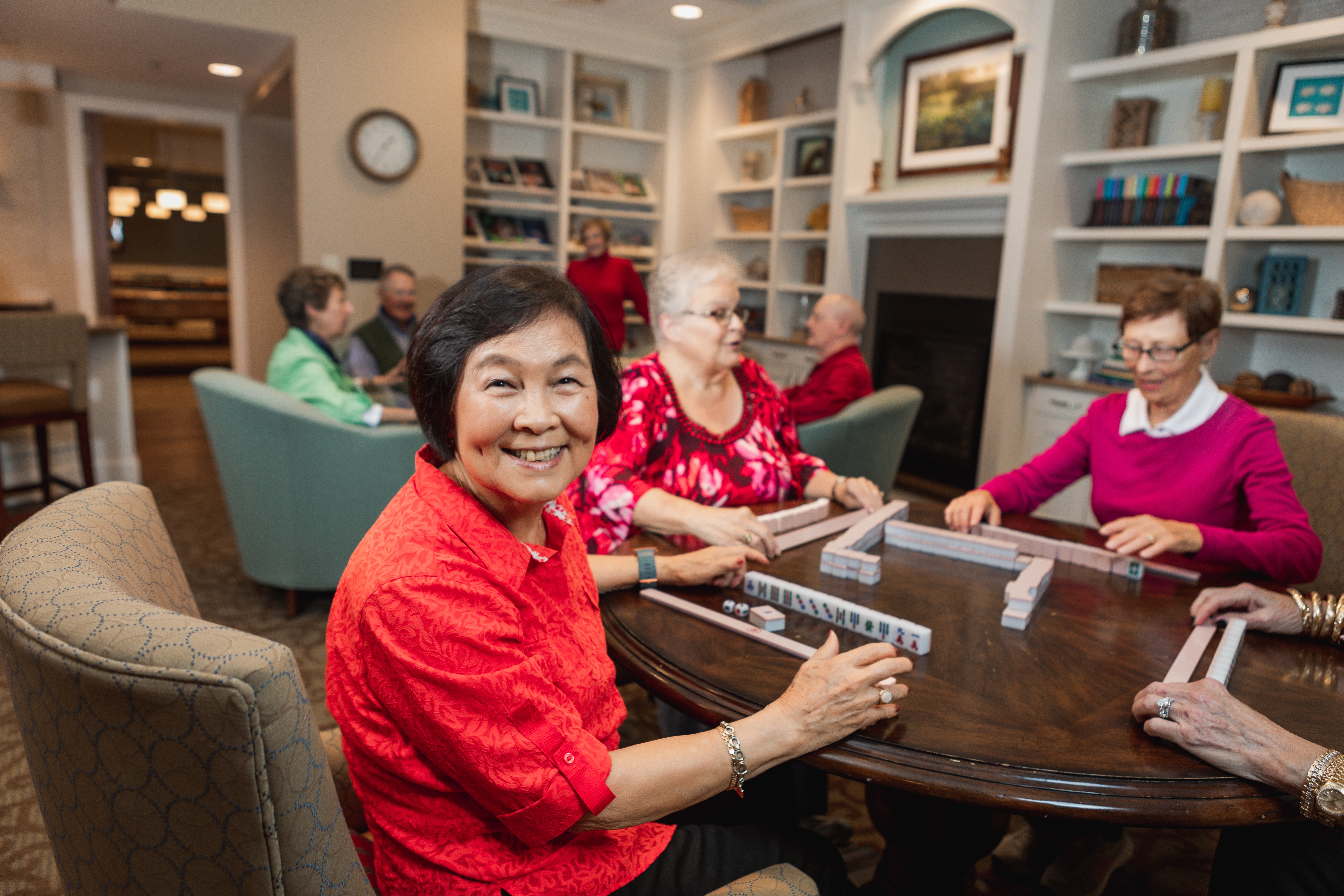
Wellness also has a social side — and it may be one of the most overlooked.
There is an important distinction between living alone and being lonely. Someone can live independently and have a rich social life, while another person can feel isolated even when surrounded by people.
Friendships and meaningful connections are an important part of well-being throughout life. The sense of community can be especially natural in a community where people live near one another and have built-in opportunities to cross paths. At Acts, residents might meet up to share a meal, join a club, volunteer, or simply have someone nearby to stop and chat, adding a sense of connection to small everyday moments.
In retirement, wellness isn't necessarily something you do alone. Sometimes, it's something you do with other people.
Keep Your Mind Curious
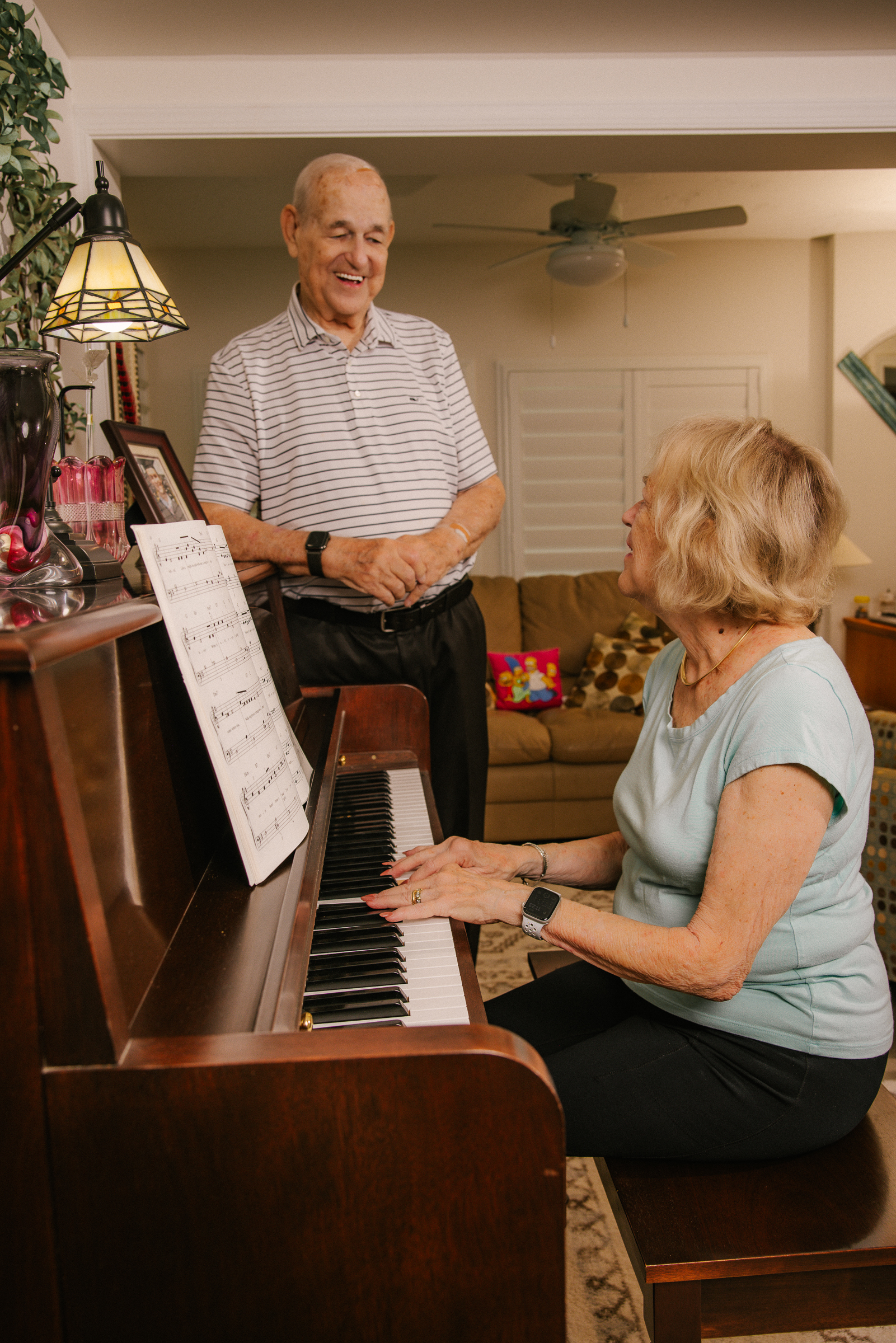
Retirement can also provide an opportunity to pursue intellectual wellness in ways that may have been difficult during busier seasons of life.
Taking an art class. Attending a lecture. Reading. Exploring history. Trying a new technology. Playing games. Group travel. Pursuing an interest that has always been on your list. The possibilities are nearly endless with an Acts community.
Retirement can provide the time and flexibility to explore interests simply because they're interesting to you.
Find Purpose
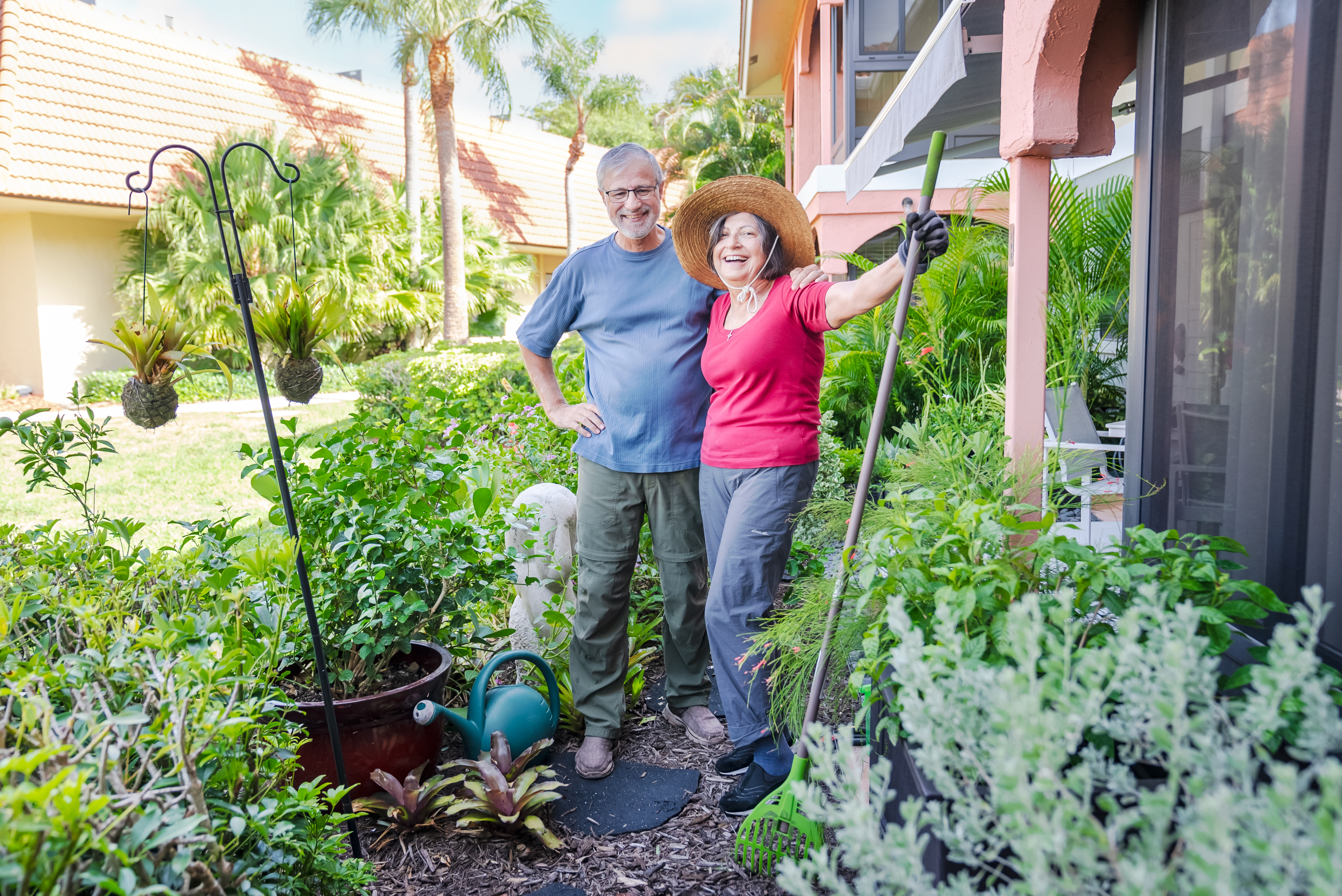
Purpose doesn't retire when your career does.
For some people, purpose comes from volunteering or mentoring. For others, it might be caring for a garden, creating art, helping a neighbor, participating in a community organization or spending more time with friends and family.
Retirement can even create room for newfound purpose to evolve.
Without the structure of a traditional workweek, people have the opportunity to decide what deserves their time and energy — and to build a daily life around the things that matter to them the most.
Make Time for Yourself
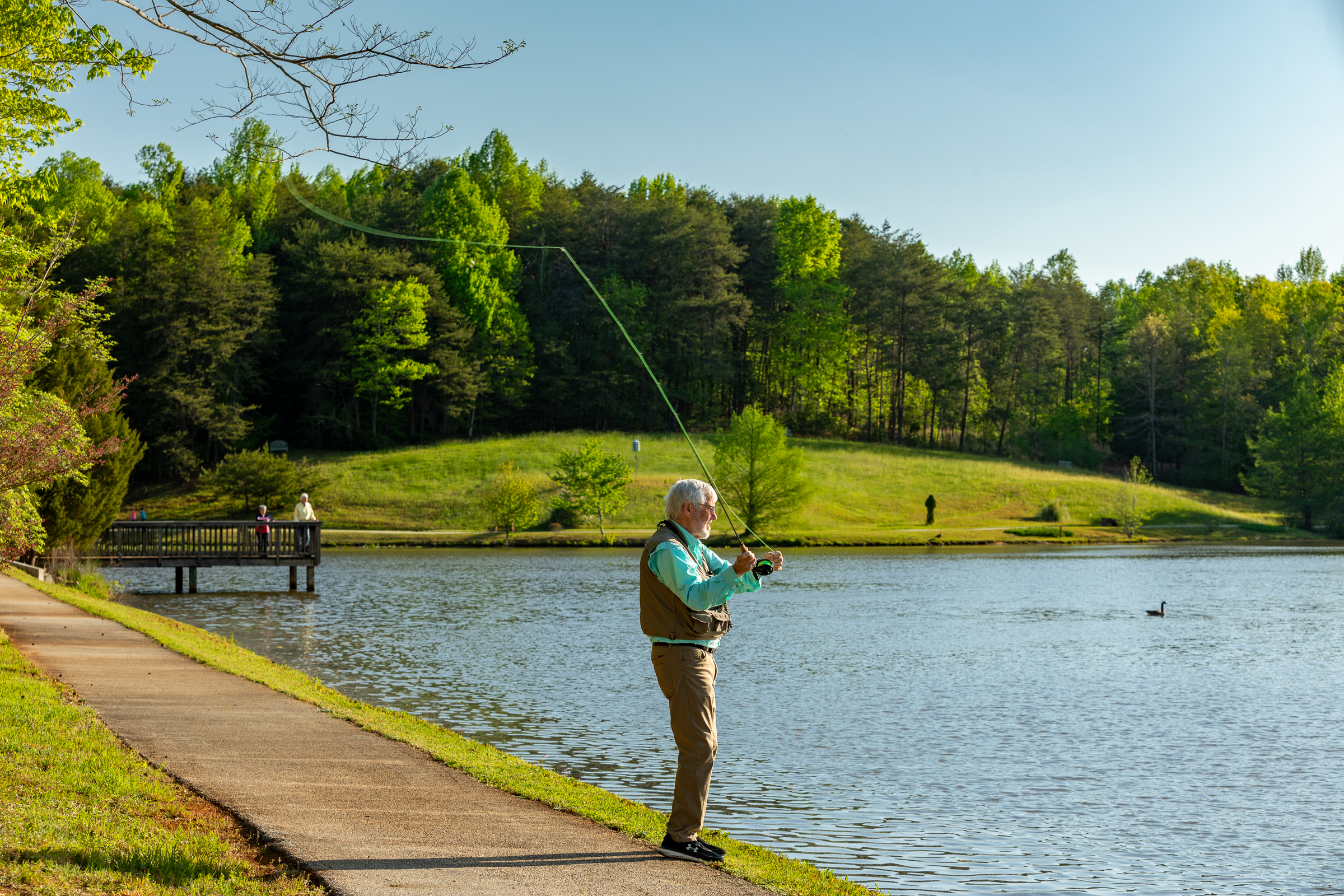
Wellness also includes something that can be easy to overlook: enjoyment.
After decades of work, raising families and managing responsibilities, retirement can offer something many people haven't had enough of: time.
Time to sit outside with a cup of coffee. Read a book. Take a nap. Enjoy nature. Pursue a hobby. Travel. Spend an afternoon doing absolutely nothing.
Rest and relaxation aren't the opposite of wellness. They're part of it.
A Lifestyle Designed Around Living Well
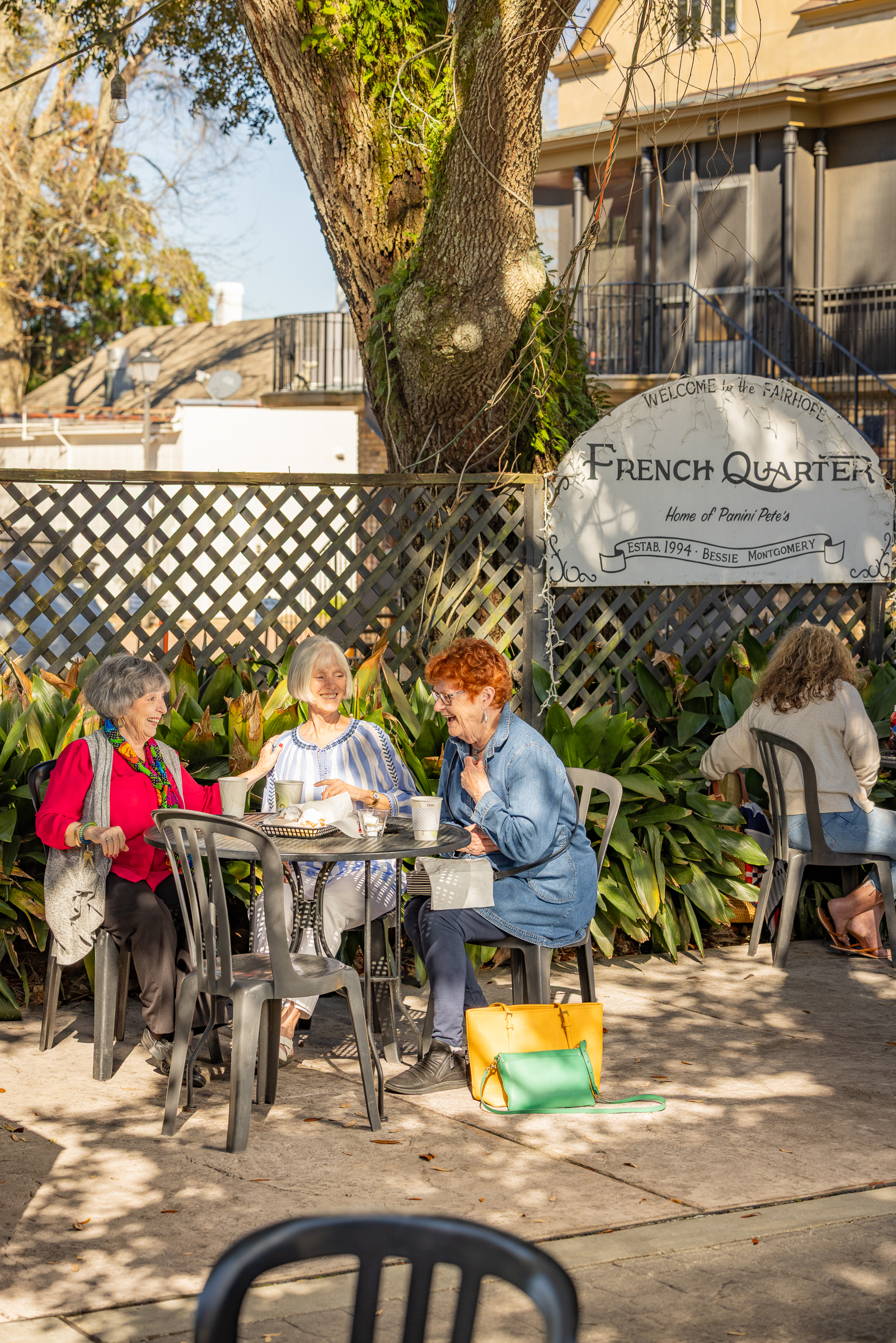
One of the benefits of retirement is having greater freedom to shape your days around the things that contribute to your well-being.
At Acts communities, wellness is viewed as more than a fitness center or a calendar of exercise classes. It's about creating an environment where residents can pursue physical activity, friendships, lifelong learning, personal interests, and meaningful connections — all while having the flexibility to decide what wellness means to them.
That might mean starting the morning with a workout, meeting a friend for lunch, attending a class in the afternoon, and enjoying a favorite hobby in the evening. At times it might mean doing none of those things and simply enjoying a quiet day.
Because ultimately, wellness isn't about following someone else's definition of living well. It's about having the freedom, support, and opportunity to define it for yourself.
Discover Your Definition of Living Well
What does wellness look like for you? At Acts, residents have the opportunity to build a retirement lifestyle around the things that matter most to them. Learn more about Acts communities and discover what living well could look like in your life.


