A recent industry report highlighted recently reveals a striking reality: Americans care deeply about brain health, but most don't know how to protect it.
According to the Alzheimer's Association's 2026 Facts and Figures report, 88% of adults say maintaining brain health is very important, and 99% believe it is at least as important as physical health. Yet only 9% say they know a lot about how to maintain it. Researchers also found nearly three-quarters of adults would be interested in participating in programs designed to support brain health.
Older adults are seeking guidance, support, and meaningful ways to strengthen cognitive wellness.
At Acts Retirement-Life Communities, cognitive wellness has long been viewed as an essential component of successful aging. While much of the public conversation around cognitive health focuses on what happens after a diagnosis, our approach begins much earlier — with proactive programs designed to support brain health, cognitive reserve, lifelong learning, social connection, and overall well-being.
Moving Beyond Memory Care
For years, senior living providers have excelled at supporting residents living with cognitive change. Increasingly, however, the conversation is shifting toward prevention, resilience, and helping residents maintain cognitive vitality for as long as possible.
That shift aligns with what researchers are telling us. Brain health is influenced by many factors, including physical activity, social engagement, cognitive stimulation, emotional well-being, and healthy lifestyle habits. Yet many older adults lack structured opportunities to engage in these activities consistently.
At Acts, supporting brain health is woven throughout daily community life.
A Comprehensive Approach to Cognitive Wellness
Our communities offer a variety of programs and technologies designed to engage residents' minds while promoting meaningful social interaction.
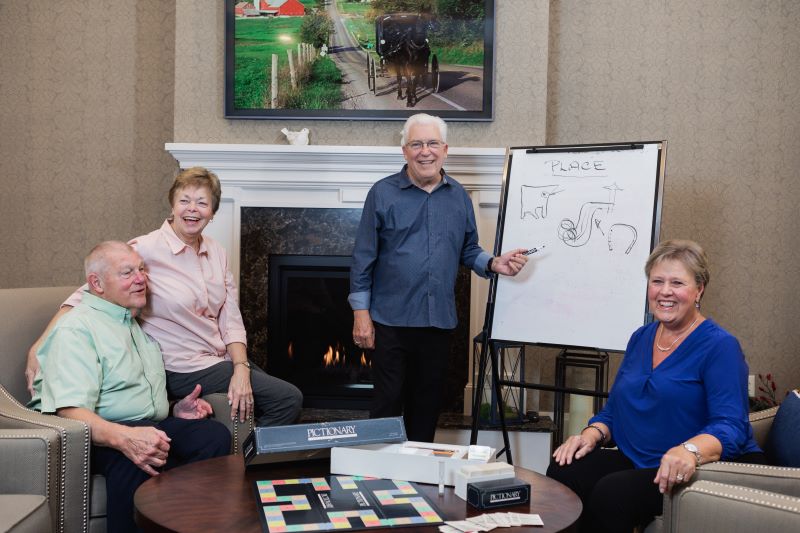
Mind Bank, facilitated by our Life Engagement and Speech Therapy teams, provides weekly activities specifically designed to strengthen cognitive reserve through challenging, interactive, and enjoyable experiences.
Cognivue screening technology offers residents the opportunity to establish a cognitive baseline and monitor changes over time, empowering them with regular information about their cognitive health.
For residents seeking a more personalized approach, THRIVE Mind provides individualized cognitive wellness plans developed by Speech Language Pathologists and tailored to each participant's goals.
Recognizing the close connection between physical and cognitive health, Acts is also expanding Brain Gym, a dual-task training program that simultaneously challenges the body and mind. Similarly, SmartFit technology combines movement, reaction time, problem-solving, and cognitive engagement through an interactive, gamified platform used across multiple levels of living.
For residents experiencing cognitive change, innovative engagement tools such as the Magic Table (Tover Tafel) create opportunities for joyful interaction, purposeful movement, and meaningful connection.

Brain Health Is About More Than the Brain
Perhaps most importantly, cognitive wellness cannot be separated from overall wellness.
Research consistently shows that social connection, emotional health, purpose, spiritual well-being, and physical activity all contribute to quality of life and cognitive resilience. That's why Acts incorporates the seven dimensions of wellness throughout community life, creating opportunities for residents to stay engaged intellectually, socially, physically, emotionally, spiritually, vocationally, and environmentally.
In many ways, this holistic approach may be one of the greatest advantages senior living at Acts can offer.
The Future of Senior Living
As awareness of brain health continues to grow, prospective residents and their families will increasingly look beyond traditional amenities. They will want communities that actively support healthy aging in all its dimensions.
At Acts, we believe cognitive wellness is not a single program. It's a culture.
And as the national conversation around brain health evolves, we are proud to be helping residents strengthen not only their bodies, but also their minds, every day.


