
Brain health is often associated with memory care, but cognitive wellness is an important part of overall health at every stage of life. At Acts Retirement-Life Communities, that belief is shaping how we approach wellness, education, and resident engagement throughout our continuum of care.
In a recent Senior Housing News article, Katie Reilly, Corporate Director of Cognitive Well-Being for Acts, discusses how the organization is making cognitive health a proactive part of the resident experience, beginning even before someone moves into an Acts community.
A proactive approach to cognitive wellness
Rather than treating brain health as a concern that only arises when someone experiences cognitive changes, Acts encourages residents to take an active role in supporting their cognitive well-being.
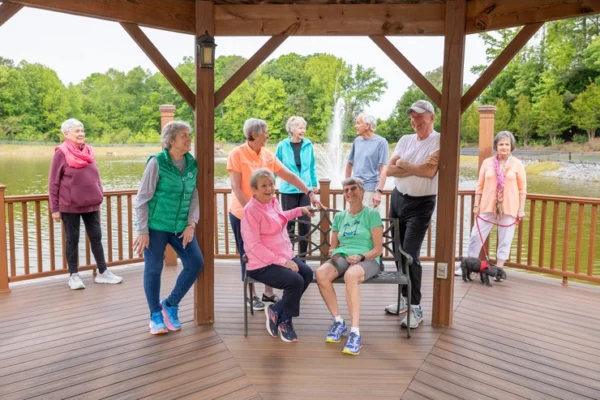
That begins with education about the connection between everyday habits and brain health. Acts emphasizes lifestyle choices that support cognitive wellness, including regular physical activity, social connection, nutritious eating, and opportunities for lifelong learning.
The goal is to help residents discover new interests, develop skills, and find renewed purpose while making choices that contribute to their overall well-being.
Putting brain health into practice
Acts incorporates several resources and programs to help residents engage in activities that support cognitive wellness.
Nutrition is one important component. Acts draws on principles of the MIND diet, developed by researchers at Rush University Medical Center and Harvard T.H. Chan School of Public Health. Combining elements of the Mediterranean and DASH diets, the MIND diet emphasizes foods and eating habits associated with supporting brain health.
Residents also have opportunities to participate in programs designed to exercise the brain and strengthen cognitive skills.
These include:
-
Mind Bank: Weekly interactive cognitive reserve sessions offered through Life Engagement and Speech Therapy.
-
Cognivue: A self-administered cognitive screening tool offered annually to Independent Living residents, with opportunities for Assisted Living residents to participate as well.
-
THRIVE Mind: A personalized, fee-for-service cognitive exercise program developed by an Acts Speech-Language Pathologist for residents who are not experiencing cognitive changes but want to be proactive about their cognitive wellness.
-
Brain Gym: Dual-task training that combines physical and cognitive activities to challenge the mind and body.
Together, these offerings provide residents with opportunities to learn more about cognitive wellness and participate in activities that support their individual goals.
Supporting residents as their needs evolve
An important part of Acts’ approach is recognizing that cognitive wellness is not a one-size-fits-all experience. Cognitive screenings beginning in Independent Living can help identify opportunities for personalized support as residents’ needs change over time.
Ultimately, the focus is on empowering residents rather than defining them by what they may or may not be able to do.
By making brain health part of overall wellness, Acts is helping residents recognize that supporting the mind is just as important as caring for the body. And it’s an opportunity that doesn’t begin in memory care. It begins with the everyday choices, experiences and connections that make life meaningful. Read more in the Senior Housing News article.